

Dementia Training Courses in Forton: What Good Care Actually Looks Like From the Inside
Dementia training courses equip care professionals and family members with the practical knowledge to support people living with dementia safely and compassionately. Whether you work in a residential care setting in Forton, provide home care, or simply want to better understand a loved one’s diagnosis, the right training can transform how you respond to the condition.
In the UK, dementia affects an estimated 982,000 people, with that number projected to rise significantly over the coming decades. As demand for skilled dementia care grows, understanding what these courses offer, how they are structured, and which qualifications carry real weight has never been more important at unique homecare.
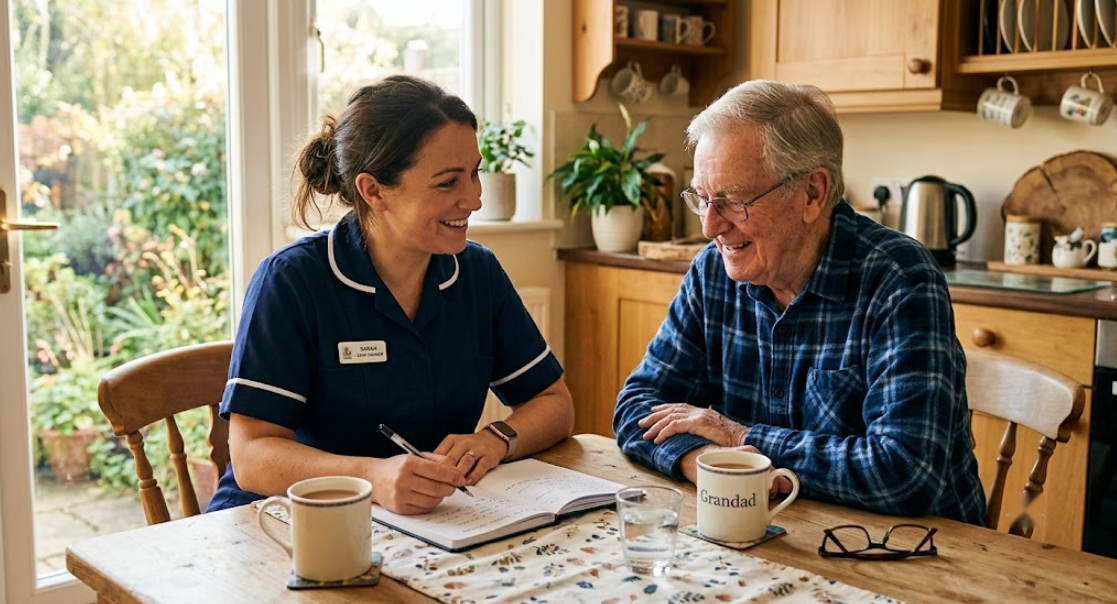
Why Dementia Training Matters More Than Ever
The NHS estimates that dementia is one of the leading causes of disability in older people across the UK, and the condition presents differently in every individual. Without proper training, even experienced care workers can struggle to interpret behaviour that appears challenging but is actually a form of communication.
Poor dementia care does not just affect the individual receiving support. It increases carer stress, elevates the risk of safeguarding incidents, and can lead to unnecessary hospital admissions. Conversely, research from Dementia UK consistently shows that person-centred approach, which good training promotes, lead to measurably better outcomes for both the person living with dementia and those supporting them.
For employers, there is also a regulatory dimension, and the Care Quality Commission (CQC) expects registered care providers to demonstrate that their staff are trained to meet the specific needs of the people they support through why are we unique. Gaps in dementia knowledge are flagged regularly in inspection reports, and they can affect ratings that directly impact a service’s reputation and financial sustainability.
What Dementia Training Courses Typically Cover
Not all courses are created equal, but reputable programmes share a core set of learning outcomes. Here is what you can expect from well-structured dementia training:
Understanding Dementia as a Condition
- Types of dementia (Alzheimer’s disease, vascular dementia, Lewy body dementia, frontotemporal dementia)
- How the brain changes and what that means for daily functioning
- Progression stages and what to anticipate at each stage
Person-Centred Care
- Recognising the individuality of each person’s experience
- Life history work and its role in building rapport
- Communication strategies tailored to different stages of the condition
Practical Care Skills
- Supporting with personal care, nutrition, and mobility
- Managing distress, agitation, and anxiety without restraint
- Safe use of medication and recognising side effects
Legal and Ethical Frameworks
- Mental Capacity Act 2005 and best interest decisions
- Deprivation of Liberty Safeguards (DoLS)
- Safeguarding vulnerable adults
Family and Carer Support
- How to involve families meaningfully
- Recognising and reducing carer burnout
- Signposting to community resources
The depth of each topic varies depending on the course level. An introductory half-day session will naturally cover far less than a four-day intensive programme leading to a nationally recognised qualification.
Comparing Types of Dementia Training Available in Forton and UK
| Course Type | Duration | Best Suited For | Recognised Qualification? |
|---|---|---|---|
| Awareness sessions | 2 to 4 hours | General public, non-care staff | No |
| Introductory care training | Half day to 1 day | New care workers | Often a certificate of attendance |
| Intermediate care training | 1 to 3 days | Existing care staff seeking upskilling | Sometimes accredited |
| QCF/RQF Unit-based learning | Flexible (self-paced) | Staff working towards NVQ/Diploma | Yes, nationally recognised |
| Dementia Champion training | 1 to 2 days | Senior staff, team leaders | Certificate, sometimes accredited |
| Specialist clinical training | Multi-day or modular | Nurses, OTs, social workers | Yes, often CPD-accredited |
Choosing the right tier depends on your role, your experience level, and what outcomes your employer or regulatory body requires. If you are unsure where to start, visiting the specialist dementia care training can help you identify programmes matched to your specific situation.
Things to Know
- Awareness training is not the same as care training. A short awareness session is useful but does not prepare someone to deliver hands-on dementia care. Make sure the course level matches your actual responsibilities.
- Accreditation varies significantly. Some certificates are simply attendance records. Look for programmes endorsed by Skills for Care, CPD-accredited providers, or those aligned with the Care Certificate standards.
- Online dementia training has limits. Digital courses are convenient for knowledge-based content, but practical skills such as de-escalation techniques and personal care approaches are better learned in person.
- Refresher training is required regularly. Knowledge becomes outdated, and the CQC expects care workers to complete ongoing learning. Most providers recommend refreshing dementia training every one to three years.
- Training should reflect the client group. Dementia in younger adults (early-onset dementia) presents very differently from dementia in older people. Check whether a course addresses the specific needs of those you support.
- Trainer qualifications matter. A course is only as good as the person delivering it. Check whether the provider employs qualified trainers with direct clinical or care experience in dementia.
The Role of Dementia Champion Programmes
One of the most impactful approaches to embedding dementia knowledge across a team is developing internal dementia champions. A dementia champion is a staff member who receives enhanced training and then acts as a resource and role model within their organisation.
The Alzheimer’s Society’s Dementia Friends programme offers a widely recognised awareness framework, though champions in care settings typically need more in-depth training that builds on this foundation.
Benefits of a champion model include:
- Sustained learning culture rather than a one-off training event
- A peer resource for colleagues who have questions outside of training sessions
- A signal to inspection bodies that dementia is embedded in the service’s culture
- A pathway for career development for motivated care staff
The champion model works best when it is supported by senior leadership and linked to a broader workforce development strategy, not treated as an add-on responsibility without dedicated time or recognition.
Ready to Book Specialist Dementia Training for Your Team?
Take one concrete step today: contact us a dementia specialist training provider to discuss your team’s specific learning needs. Rather than booking a generic course, describe the client group you support, your team’s existing knowledge levels, and any CQC or Skills for Care requirements you need to meet. A good provider will tailor their approach accordingly. You can get in touch with a dementia training specialist to discuss what your team needs before committing to any programme.
Frequently Asked Questions
Q1: Are dementia training courses mandatory for care workers in the UK?
While there is no single universal legal requirement, dementia training is effectively expected for anyone working in regulated care settings.
The Care Certificate, which all new care workers in England are expected to complete, includes content on dementia awareness. The CQC also scrutinises dementia training as part of its inspections, making it a practical necessity rather than an optional extra for most registered providers.
Q2: How long does a dementia training course take to complete?
Course length varies from a two-hour awareness session to multi-day programmes spanning several weeks.
Introductory care training typically takes one day. More comprehensive programmes that align with NVQ or RQF qualifications are modular and completed over several months. The right length depends on your role and the depth of knowledge your responsibilities require.
Q3: Can dementia training be done online?
Yes, knowledge-based content can be covered effectively through e-learning, but practical skills are better developed through face-to-face training.
Many providers offer blended learning that combines online modules with in-person practice sessions. This approach suits busy care teams who need flexibility without sacrificing the hands-on elements of effective dementia training courses.
Q4: How much do dementia training courses cost in the UK?
Costs range from free awareness sessions to several hundred pounds for accredited multi-day programmes.
Some employers fund training through their workforce development budget or Skills for Care funding streams. Individual care workers may also access funded training through their local authority or through the apprenticeship levy. It is worth checking what financial support is available before paying personally.
Q5: What is the difference between dementia awareness and dementia care training?
Dementia awareness training introduces the basics of the condition, while dementia care training builds the practical skills needed to support someone living with dementia safely and compassionately.
Awareness training suits members of the public, administrative staff, or anyone who may encounter people with dementia but does not provide direct care. Care training is designed for frontline workers and covers clinical, ethical, and practical dimensions in much greater depth.


